The Room is Only as Good as its Light – Seven ways to make lighting work harder, feel better, and look sexier
NOTES BY
Gregory Duke-Ambridge
TOPIC
Lighting is the most misunderstood element of a home. We spend weeks choosing paint colours, agonise over sofas, and obsess over floor plans, only to illuminate everything with a single overhead fitting and hope for the best. But lighting is not an afterthought. It is atmosphere, architecture, mood, and function all at once. It determines whether a room feels welcoming or cold, calm or chaotic, considered or unfinished.
Lighting is often described as the finishing touch, but that gives it too little credit. It is not the last layer of a room – it is the layer that reveals all the others. Every texture, colour, object, and surface depends upon it.
Get the lighting right and everything else looks better. The furniture feels richer. The room feels calmer. The home feels more like itself. And that changes everything. So here are Decoroom’s 7 tips to great lighting.
Stop relying on the big light
The ceiling light has its place, but it should not be doing all the work.
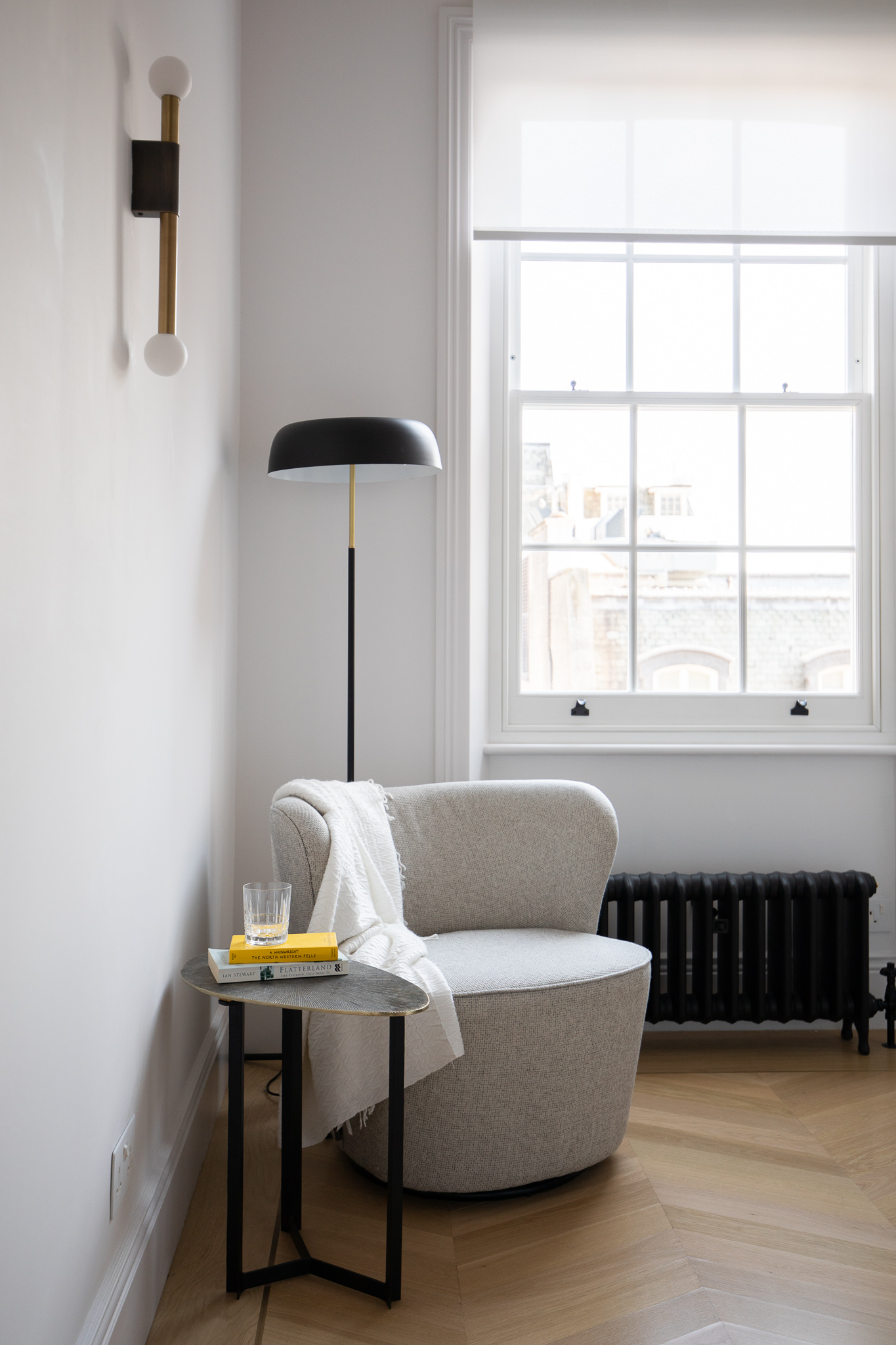
One source of light creates one mood: flat. It illuminates a room evenly but rarely beautifully. The most inviting spaces are built from layers—light that pools, glows, highlights, and softens. Think of the overhead fitting as the foundation, not the finished design. The magic happens when other sources join the conversation.
Create layers, not brightness
A room should feel illuminated, not interrogated. Table lamps, floor lamps, wall lights, picture lights, candles—each contributes something different. Layering allows you to control the mood and shift it throughout the day. Morning light serves one purpose. Evening light serves another. The best rooms understand this and adapt accordingly. A single bright bulb floods a space. Several softer sources give it depth.
Put light where people actually live
Lighting should follow behaviour, not floor plans.
Place a lamp beside the chair where someone reads every evening. Add a warm glow near the sofa where conversations happen. Illuminate the sideboard where objects deserve attention. The goal is not to light every corner equally but to support the way the room is used. Good lighting feels intuitive because it quietly understands your habits.
Think in warmth, not watts
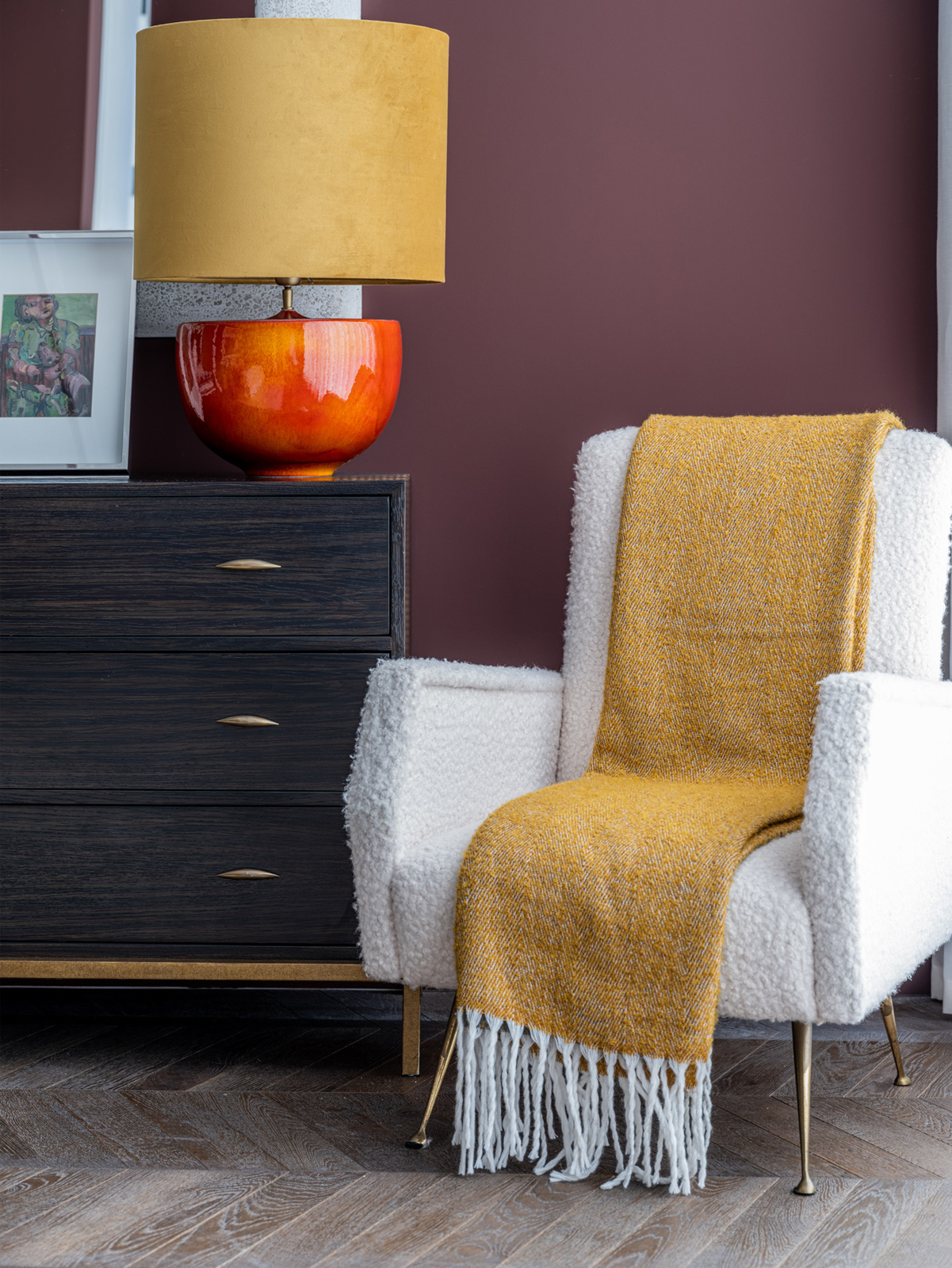
Brightness matters. Warmth matters more. The difference between a welcoming room and a waiting room often comes down to colour temperature. Warm light flatters people, softens surfaces, and creates comfort. Cooler light has its uses—in utility spaces, offices, and areas where clarity is essential—but living spaces thrive on warmth.
The right bulb can make expensive furniture look richer and ordinary rooms feel extraordinary.
Give every room a focal glow
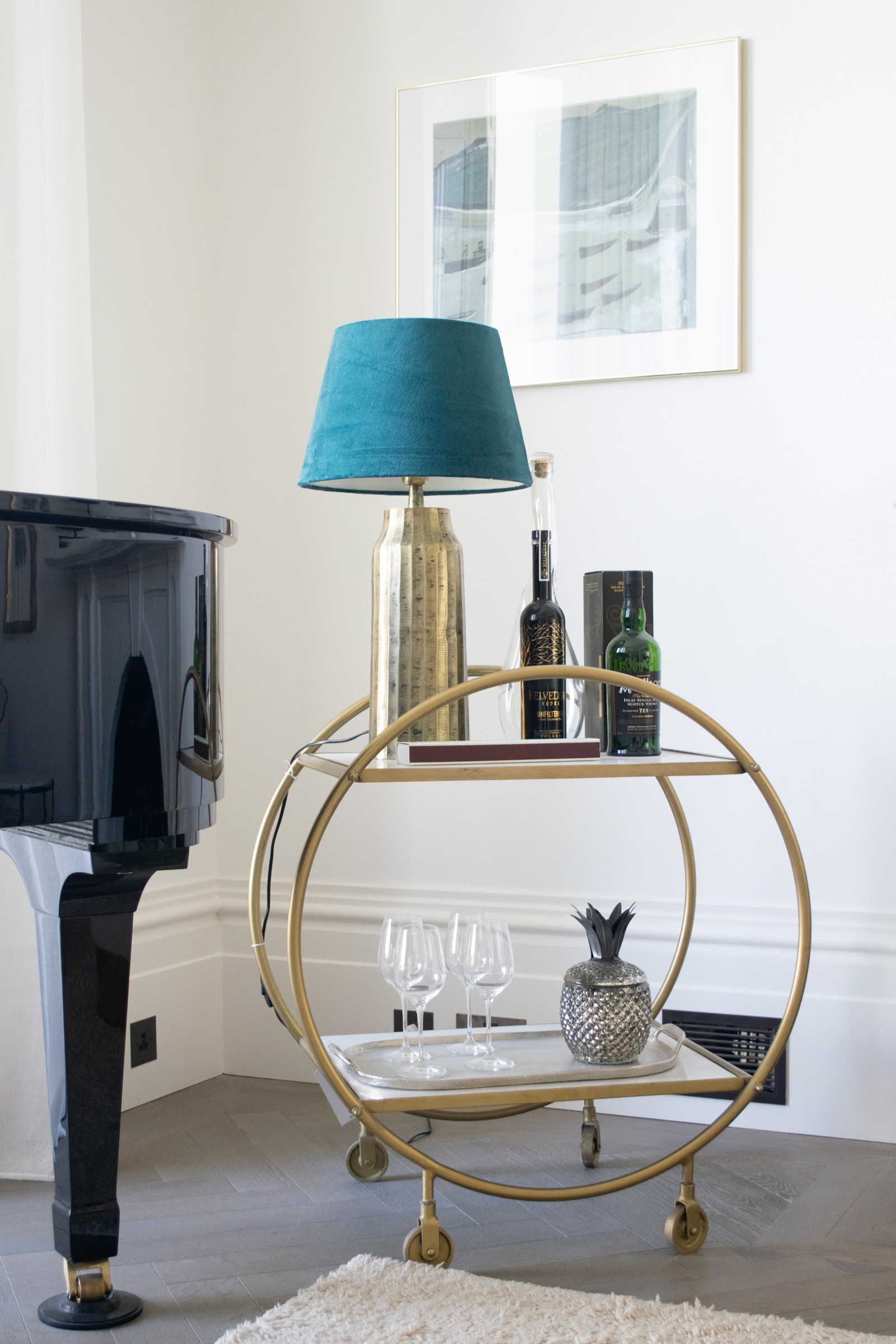
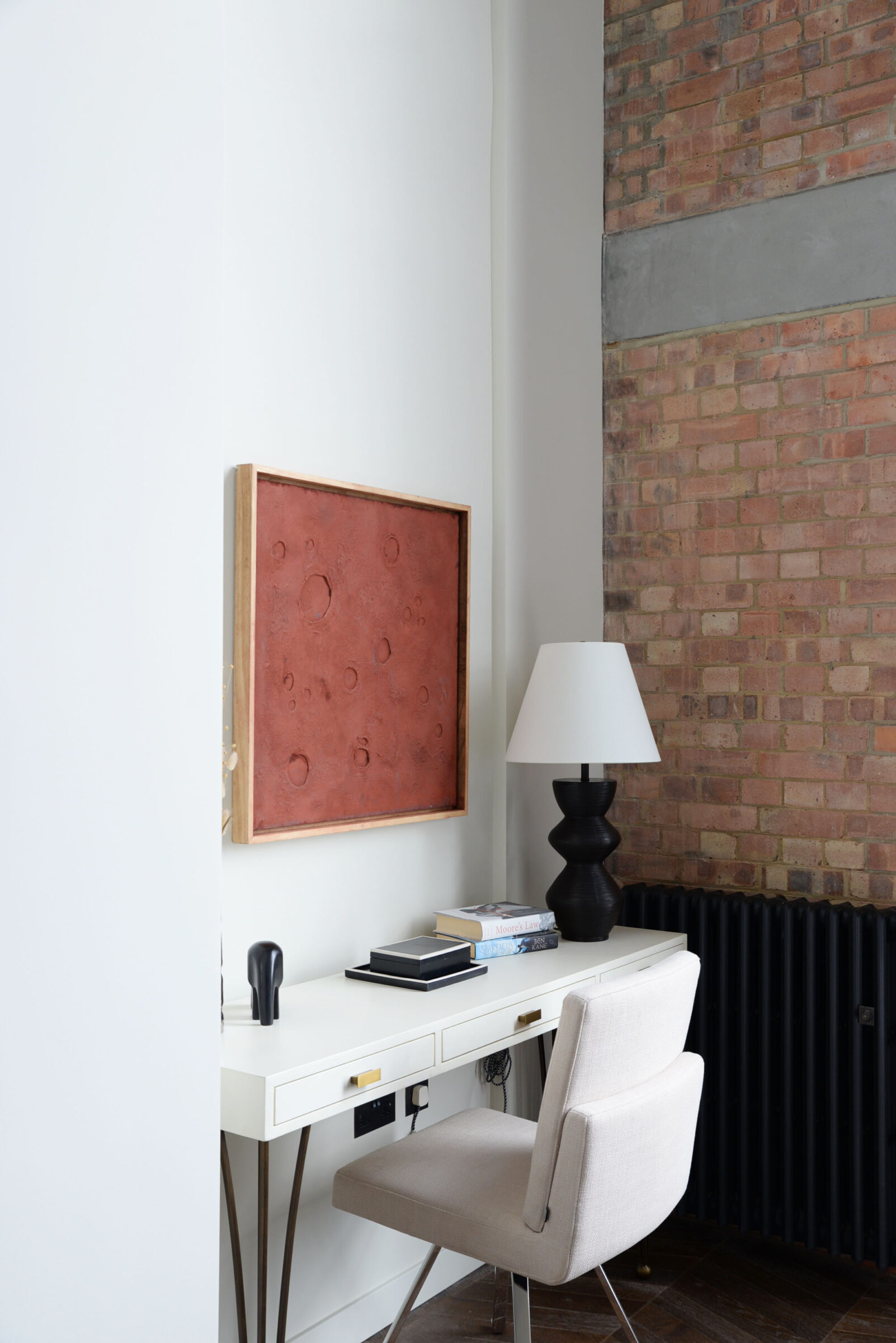
Not everything deserves equal attention. Light can direct the eye and shape the experience of a space. A lamp beside a favourite artwork. A wall light highlighting texture. A pendant suspended above a dining table. These moments create hierarchy and purpose. They tell the eye where to rest. Without focal points, a room can feel visually adrift. With them, it gains confidence.
Embrace shadows
The goal is not perfect visibility. A room with no shadows can feel strangely lifeless. Contrast creates atmosphere. The gentle darkness beyond a pool of lamplight gives a space depth and character. It allows the illuminated areas to feel more intentional and more beautiful.
Some of the most memorable interiors are not the brightest. They are simply the most thoughtfully lit.
Put lighting on a dimmer
Few upgrades offer a greater return.
The ability to adjust light levels transforms a room instantly. Dinner, reading, entertaining, watching a film, working from home—each activity demands something different. A dimmer gives flexibility without requiring additional fittings or complicated redesigns. It is one of the simplest ways to make a room feel more sophisticated because it allows the space to respond to the moment.
Good lighting is rarely about having more of it. It is about having the right kind, in the right place, at the right time.