The Bedroom Retreat
NOTES BY
Gregory Duke-Ambridge
TOPIC
Some spaces are defined by what they contain. Others are defined by the moments they hold. The principal bedroom’s little sitting area belongs to the latter. It’s that quiet nook that turns a space of sleep into a space of life. Two chairs, a small sofa, a low table—modest in scale, but enormous in purpose – it transforms the bedroom from a place of sleep into a place of life.
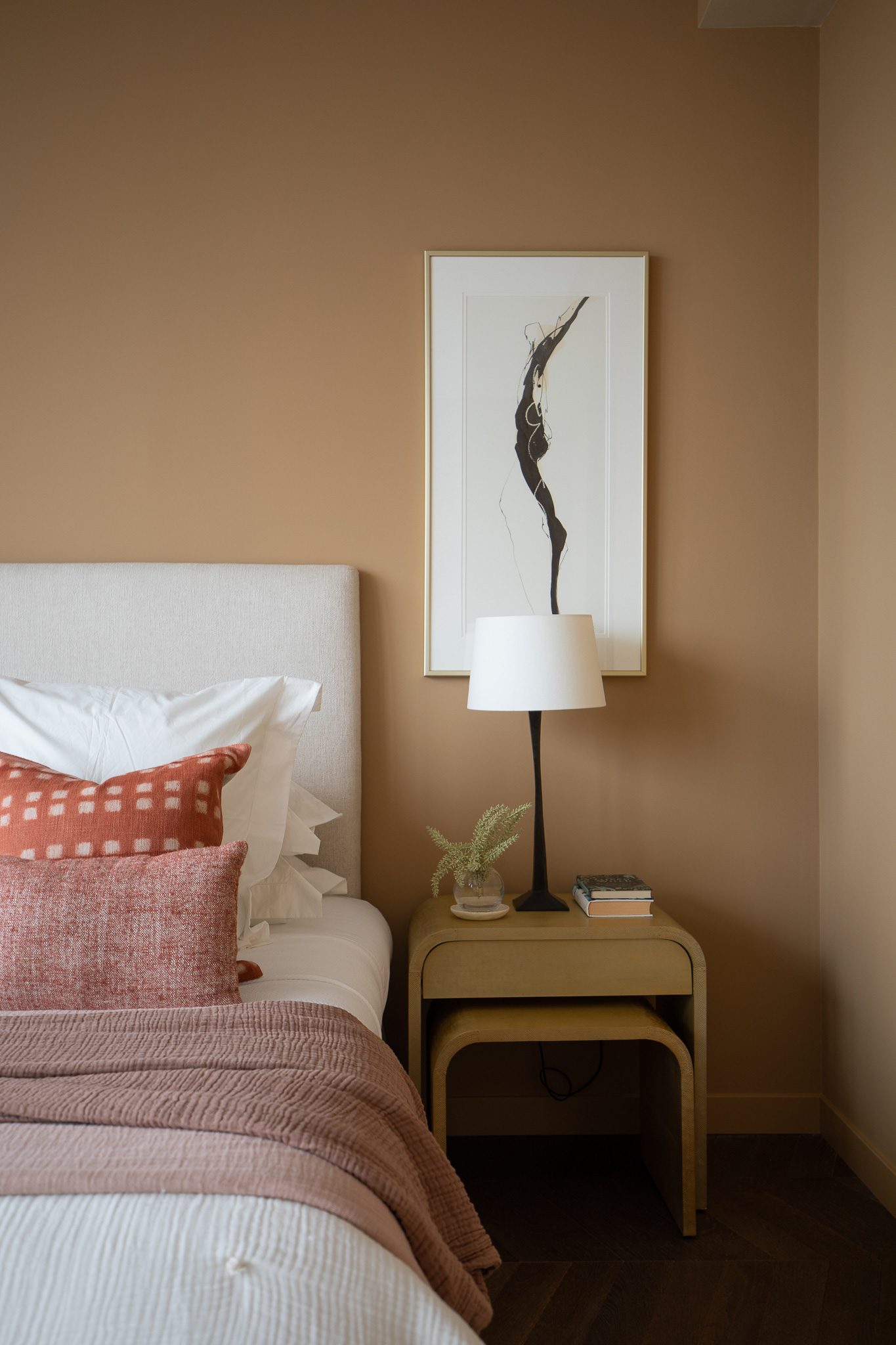
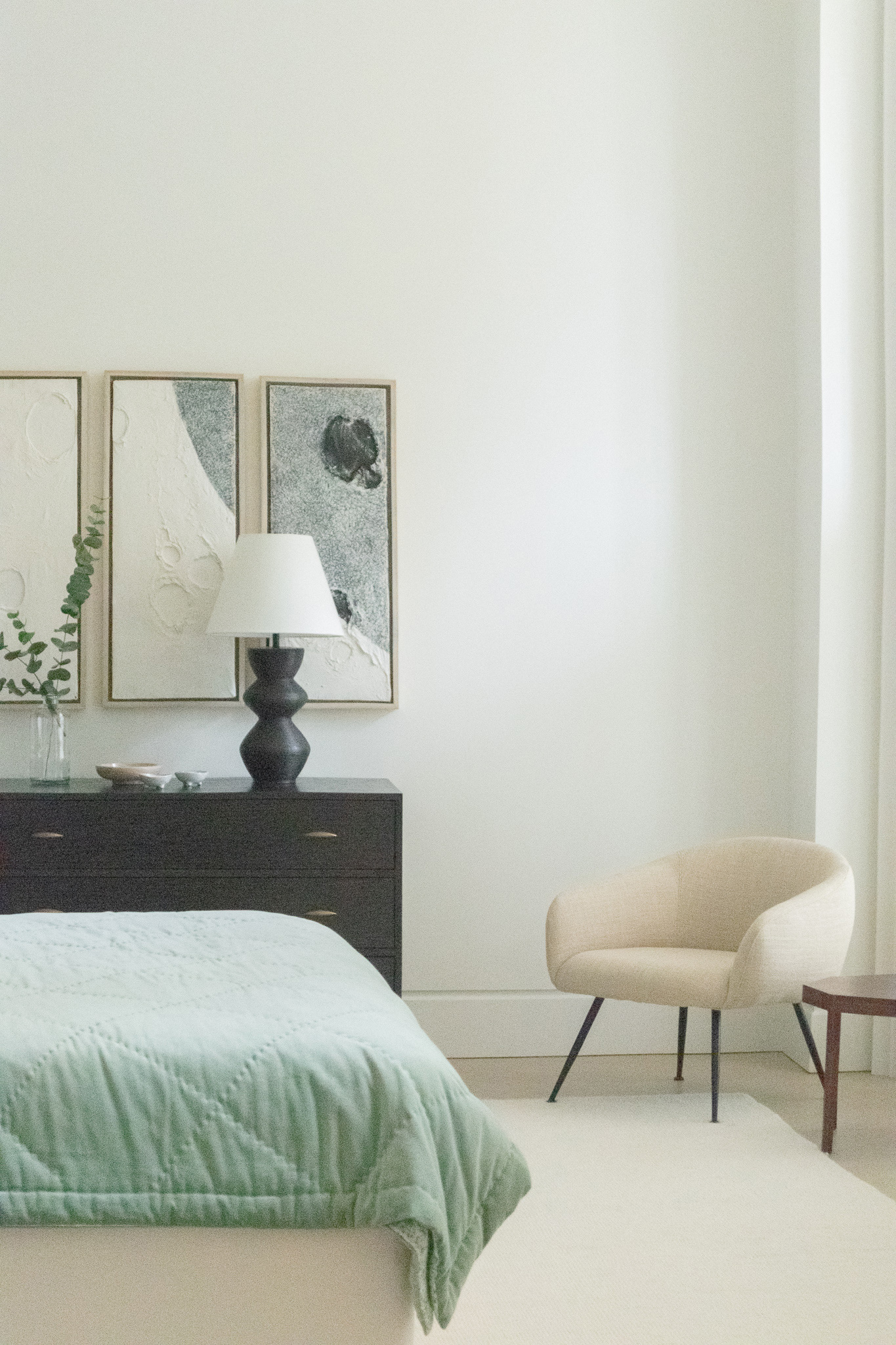
Here, the day begins and ends not in a rush, but with intention. A cup of coffee, a newspaper, a whispered conversation about plans, hopes, or last night’s dreams. In the evening, it becomes a sanctuary: a place to unwind with a book, a glass of wine, or simply the silence that follows a busy day.
The beauty of this small oasis is its versatility. It’s not just functional; it’s restorative. It’s a pause button disguised as furniture. A private nook where morning routines become rituals and evening decompressions feel luxurious rather than hurried. And because it’s part of the bedroom, it’s inherently intimate—a space for reflection, connection, and the small acts that make a house feel like a home.
Aesthetically, the sitting area defines the room without overwhelming it. Light filters in through nearby windows, highlighting a rug that feels soft underfoot and cushions that invite lingering. A side table is always ready, holding a lamp, a stack of books, or a cherished object that sets the tone. Every choice is deliberate, yet effortlessly comfortable. Beyond comfort, there’s a subtle social power in this corner. It encourages conversation away from screens, nurtures moments with family, and even creates a quiet spot for planning the week ahead. It’s a bedroom feature that goes unnoticed by many but instantly missed when absent.
In short, the sitting area is both luxury and necessity: an intimate retreat, a stage for connection, and a daily reminder that bedrooms can—and should—be more than just places to sleep.