The Art of Hanging Art; Simple principles for displaying artwork
NOTES BY
Gregory Duke-Ambridge
TOPIC
Art has the remarkable ability to transform a room. It introduces personality, creates a focal point, softens empty walls and tells the story of the people who live there. A thoughtfully placed piece can bring colour to a neutral palette, balance the proportions of a space and create an emotional connection that furniture alone simply cannot achieve.
Without artwork, a room can feel unfinished. Beautifully furnished, perhaps, but lacking warmth and individuality. With it, a space gains depth, character and a sense of purpose.
The beauty of hanging art is that there are no rigid rules—only principles that help every piece feel as though it belongs. Whether you’re displaying a treasured original, a family photograph or a carefully chosen print, the right placement allows the artwork to become part of the room rather than simply something attached to the wall. So here are Decoroom’s seven tips for hanging art beautifully.
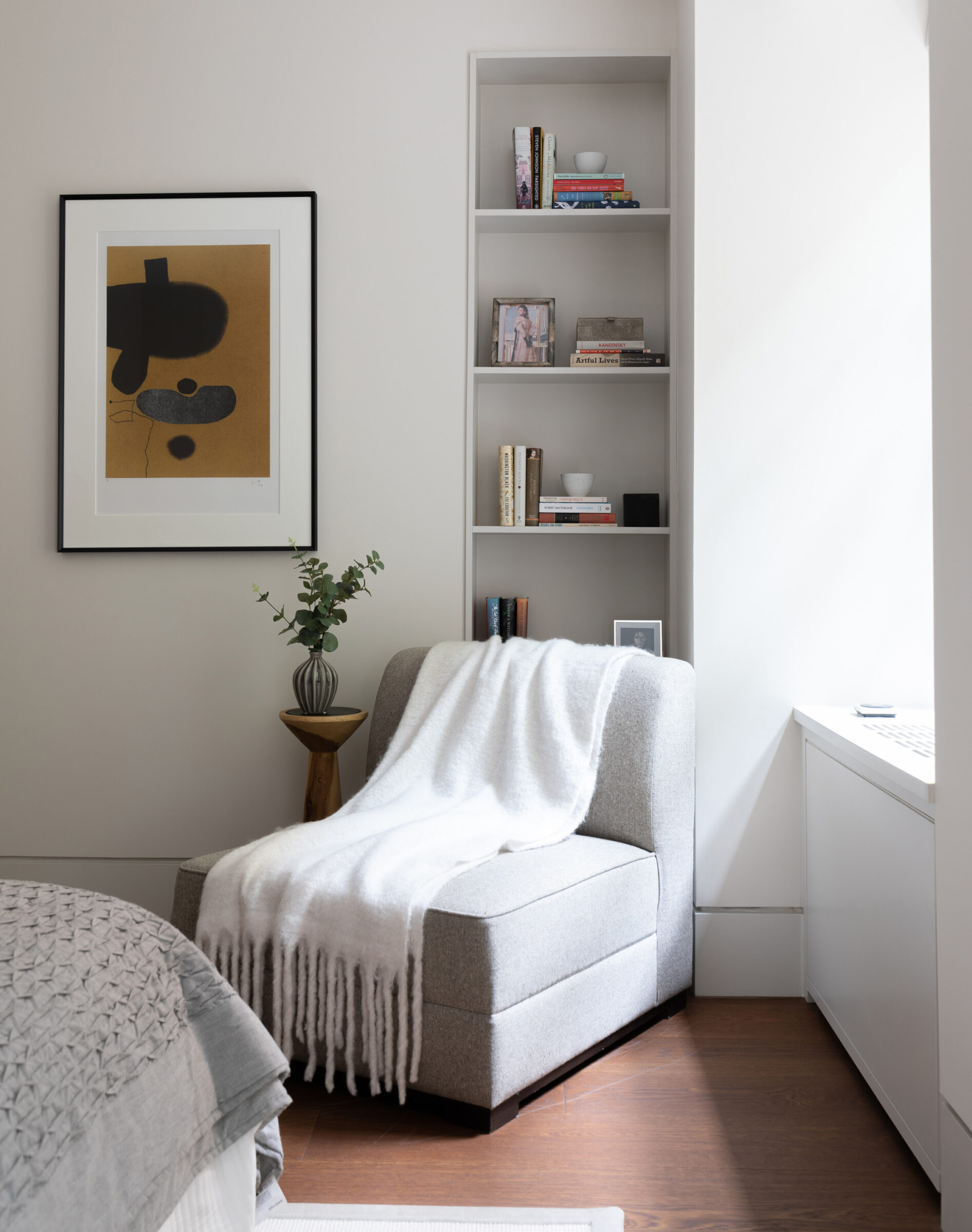
Start with the space, not the artwork
Before reaching for the picture hooks, take a moment to consider the room itself.
Where does your eye naturally settle when you enter? Which walls feel empty? Where do you want to create balance or draw attention? Artwork should respond to the room around it rather than simply filling an available space. Sometimes a single statement piece creates the perfect focal point. Other times, a carefully arranged collection works better than one oversized frame. The goal is always the same—to make the artwork feel connected to the room, not separate from it.
Hang at a comfortable viewing height
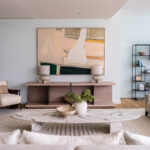
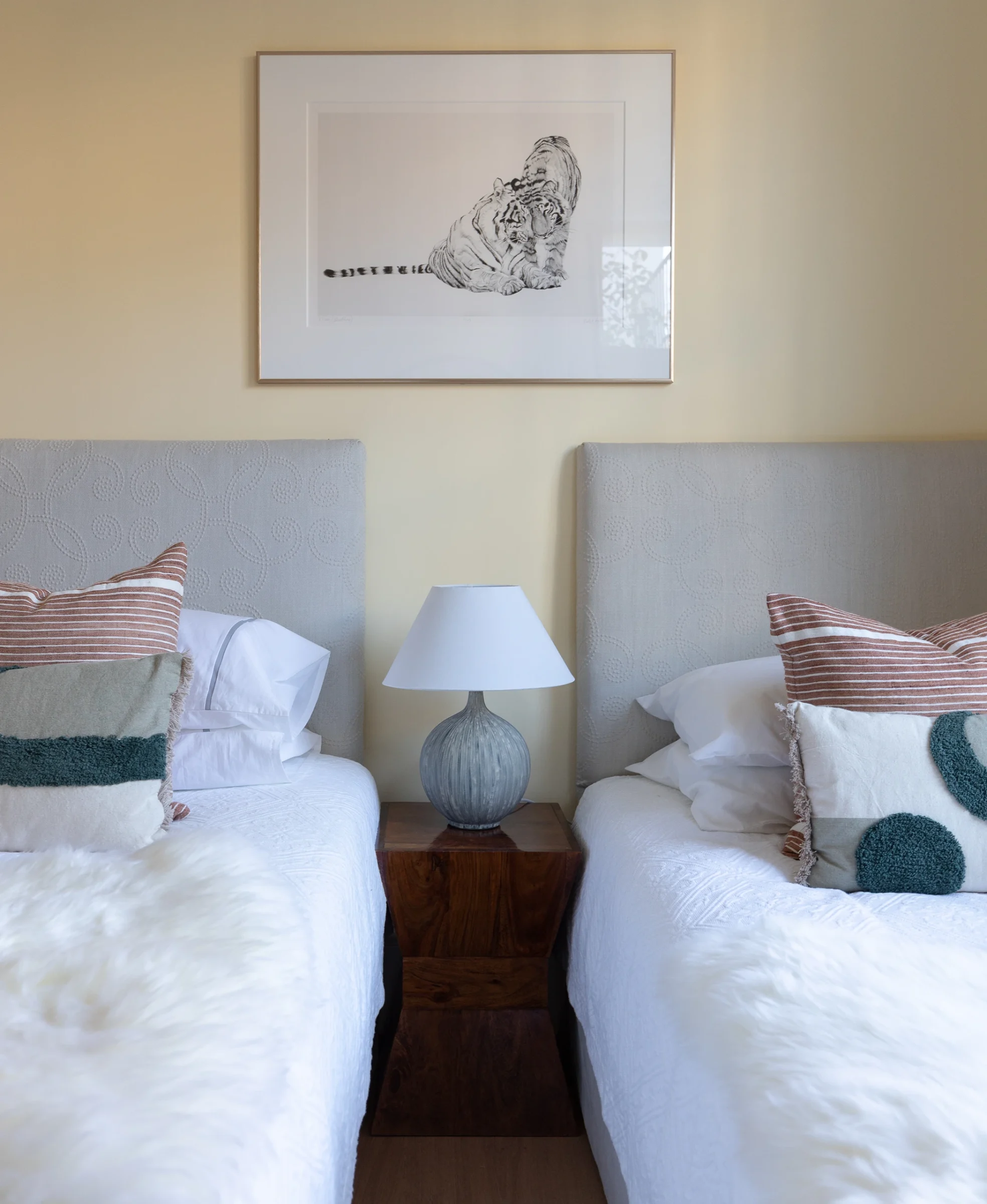
One of the most common mistakes is hanging artwork too high. Art should be enjoyed, not admired from a distance near the ceiling. As a general guide, the centre of the artwork should sit around eye level, allowing it to feel naturally connected to the furniture and the people using the room.
When hanging artwork above a sofa, sideboard or bed, think of the furniture and artwork as one composition rather than two separate elements. Leaving a comfortable gap between them helps create a sense of unity and proportion. Good placement often feels effortless because it simply looks right.
Think about scale before size
Bigger is not always better, but proportion matters. A small picture floating above a large sofa can feel lost, while an oversized piece in a narrow hallway may overwhelm the space.
Instead, choose artwork that complements the scale of the wall and the furniture beneath it. If a single piece feels too small, consider pairing it with additional works to create a gallery arrangement that fills the space more comfortably.
Like every successful interior, balance is everything.
Create rhythm with groupings
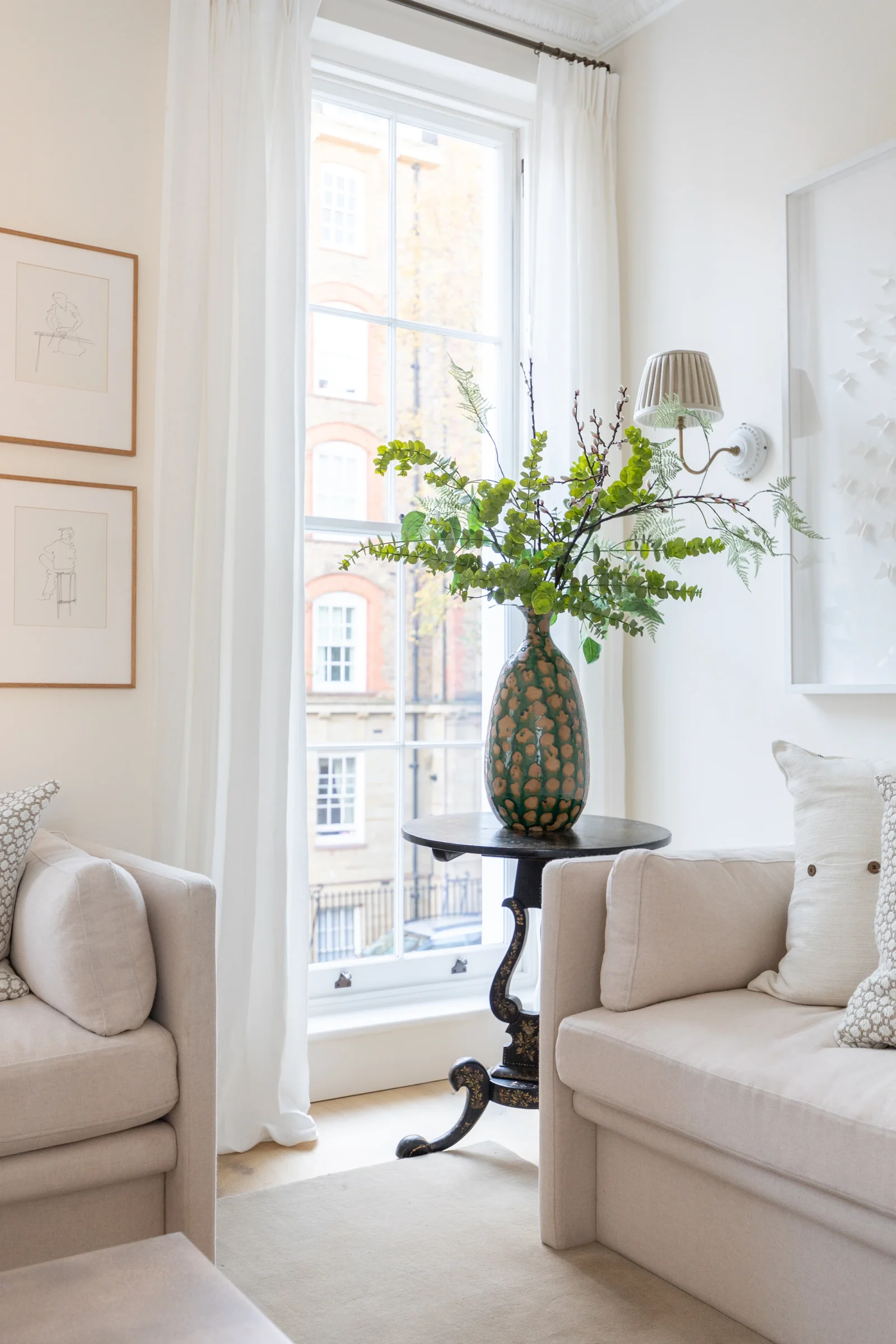
A gallery wall is much more than a collection of frames. When arranged thoughtfully, multiple artworks create movement, interest and personality.
Mix larger and smaller pieces while maintaining consistent spacing between frames. Repeating similar frame colours or materials helps bring cohesion, even when the artwork itself varies in style. Planning the arrangement on the floor before hanging can make all the difference. The most successful gallery walls feel curated over time rather than perfectly symmetrical.
Consider what surrounds the artwork
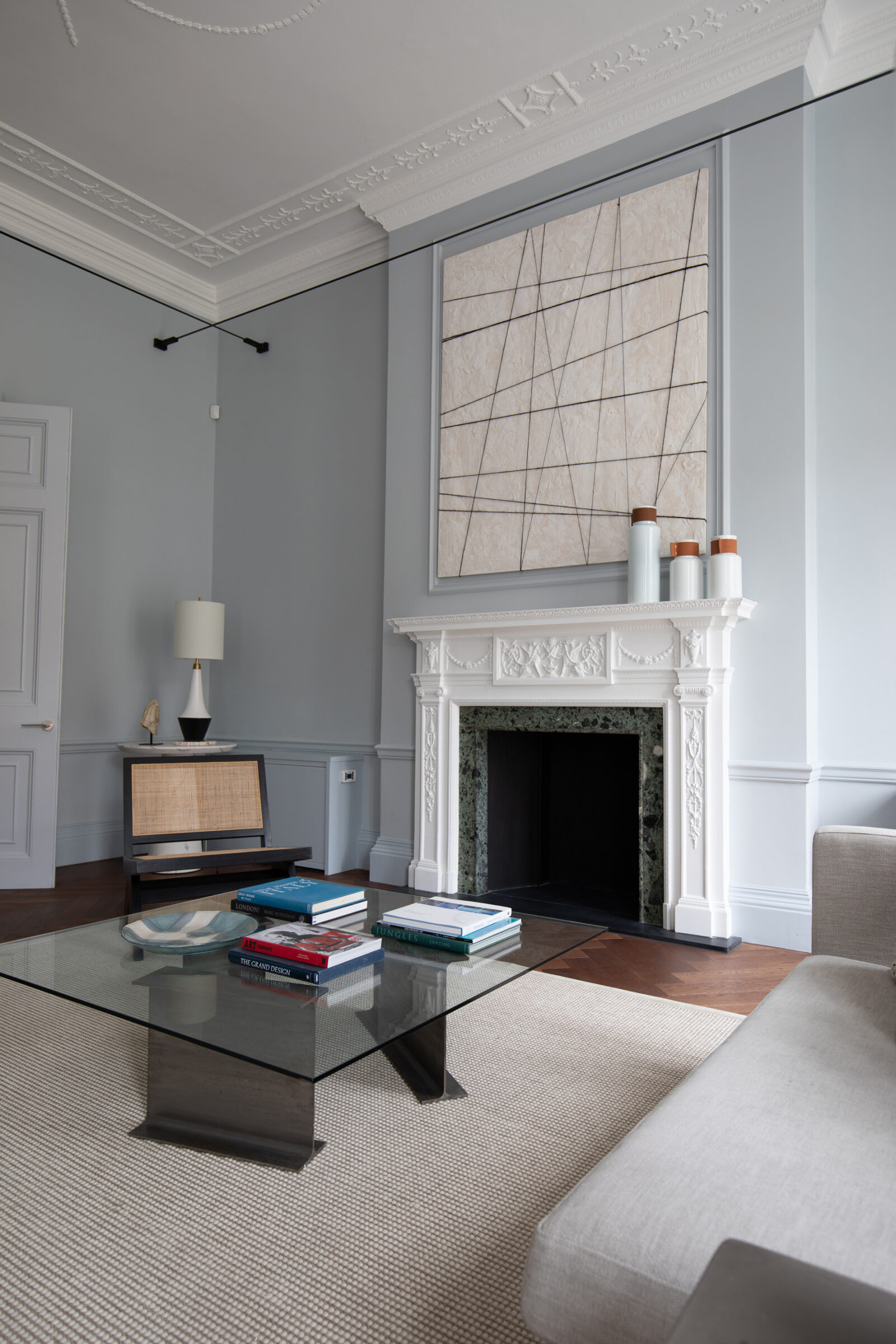
Artwork never exists in isolation.Natural light, table lamps, wall lights, mirrors and nearby furniture all influence how a piece is experienced.
A beautifully framed print positioned opposite a window may catch unwanted reflections, while carefully placed lighting can bring colour and texture to life after dark. Likewise, consider the relationship between artwork and decorative objects nearby. Vases, plants and lighting should complement the artwork rather than compete with it. Every element contributes to the overall composition.
Give each piece room to breathe
Not every wall needs to be filled. Leaving space around artwork allows it to command attention and gives the room a sense of calm. Crowding too many pieces together can create visual noise, while a carefully positioned artwork with generous surrounding space often feels far more impactful.
Negative space is part of the design.Sometimes what you leave empty is just as important as what you choose to display.
Let your walls tell your story
The most memorable interiors are never built entirely from trends. They reflect the people who live there. A favourite landscape collected on holiday. A painting passed down through generations. A contemporary print that simply makes you smile every time you walk past.
Artwork is deeply personal, and that is precisely what makes it so powerful. It has the ability to spark conversation, evoke memories and give a home its own unique identity. Because while furniture creates function and decoration adds beauty, art creates connection. When thoughtfully placed, artwork does far more than decorate a wall. It defines focal points. It balances proportion. It introduces colour, texture and personality. It transforms blank spaces into places with meaning. Most importantly, it helps turn a beautifully designed house into a home that feels lived in, loved and unmistakably yours. After all, people may admire the furniture, but they remember the walls that told a story.