Perch Perfect – The Side Table
NOTES BY
Gregory Duke-Ambridge
TOPIC
Ah, the side table. The quiet achiever of the sitting room. Small in stature, mighty in impact, and quite possibly the hardest-working piece in your entire furniture scheme. It quietly holds your negroni, corrals your coffee-table books, and provides a landing pad for that lamp you panic-bought in Margate. It is function wrapped in flair.
In the grand theatre of interiors, side tables are the supporting cast that make the stars look good. They anchor seating, provide rhythm, and – crucially – give you somewhere to put your drink that isn’t the floor. A room without one feels oddly unresolved, like a sentence missing its full stop.
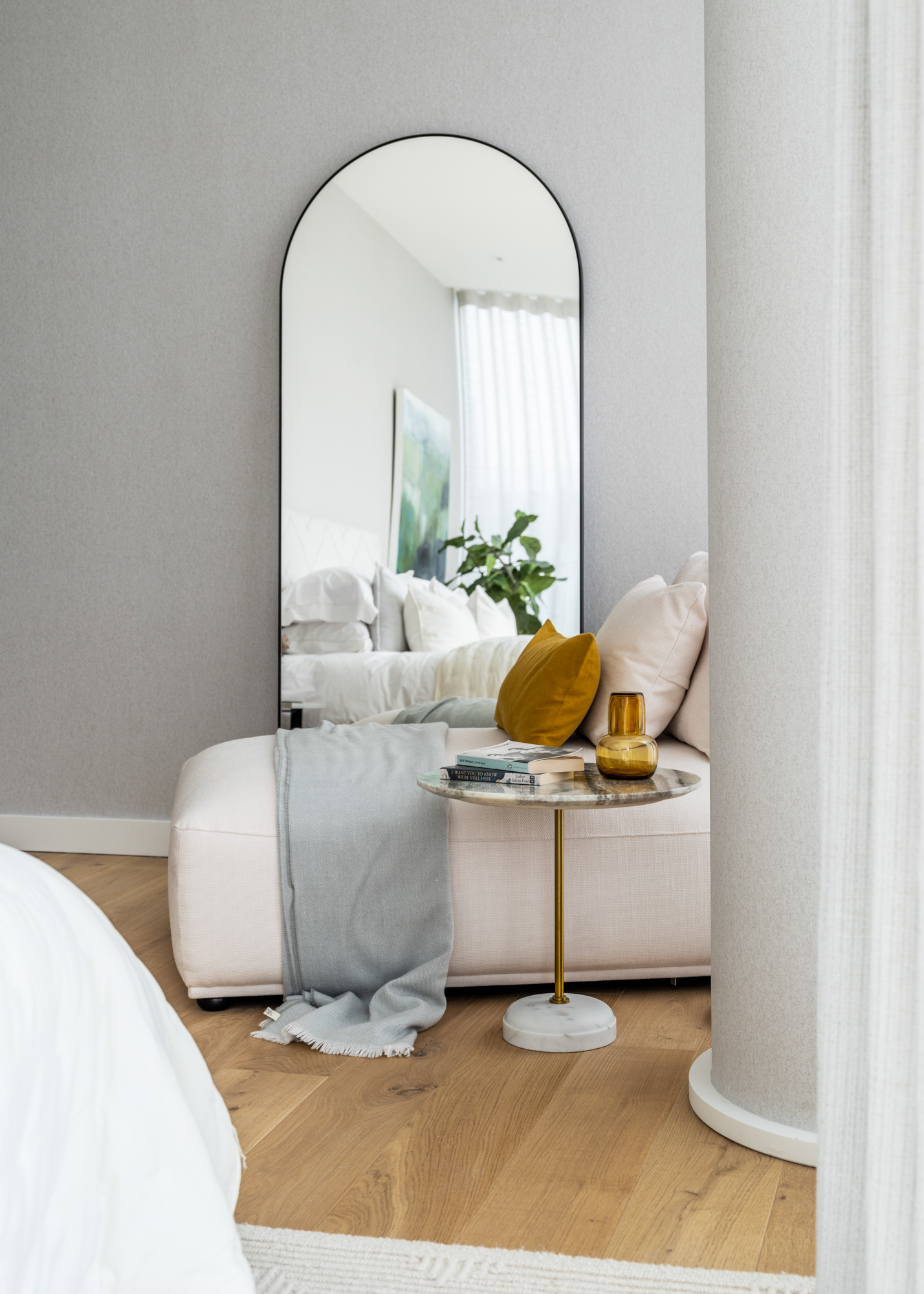
Why Side Tables Matter
First and foremost: practicality. A sofa or armchair without a surface nearby is all very well in a showroom, but in real life we need landing spots. For lamps. For books. For tea. For that ever-present phone.
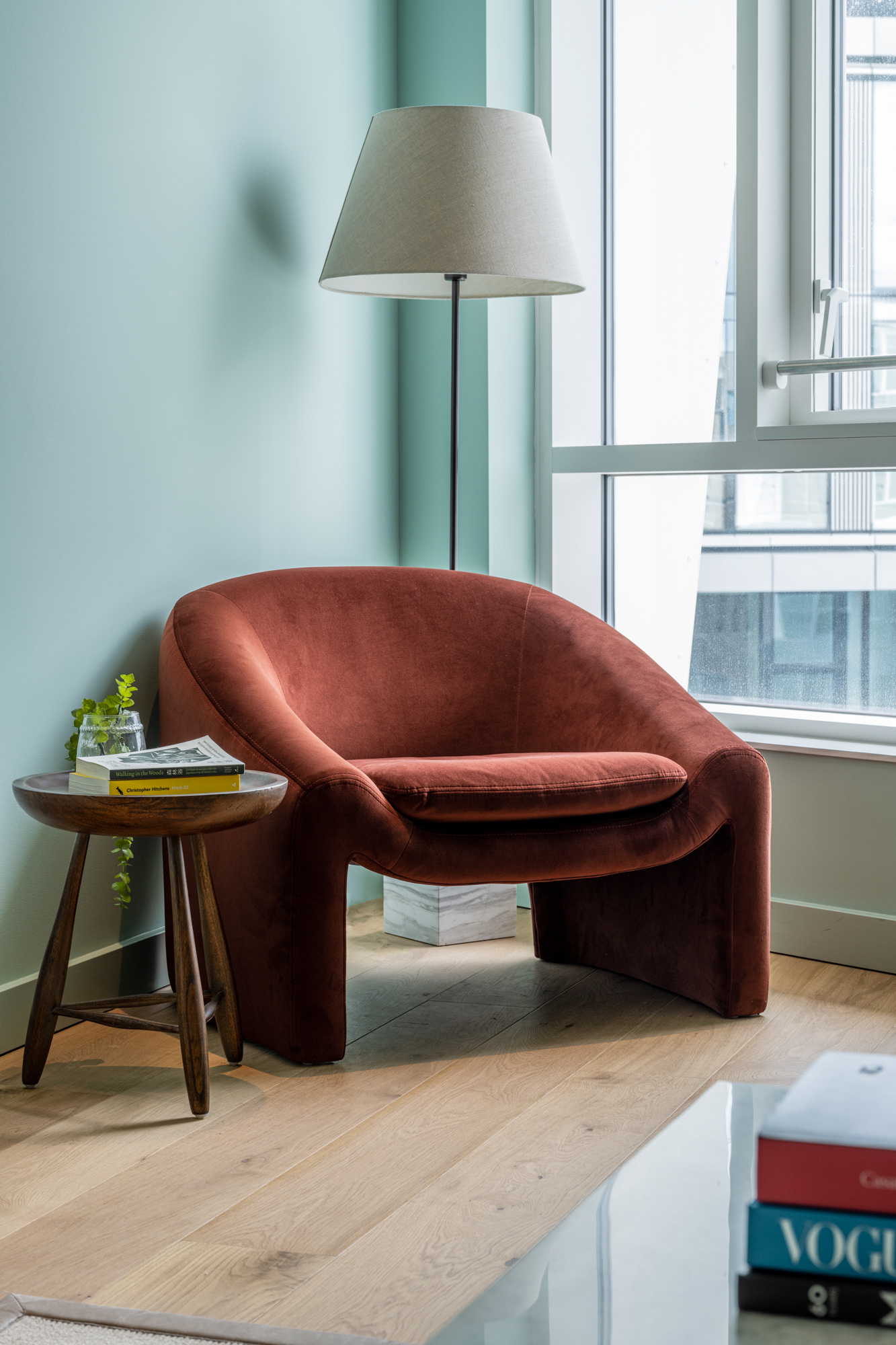
But beyond function, side tables are powerful design tools. They help balance scale – a generously upholstered sofa needs something with enough visual weight beside it. They introduce contrast in material (think cool marble against slubby linen, or warm walnut beside boucle).
And they create flow, filling awkward gaps while keeping the layout feeling intentional.In short, they’re the glue.
The Different Types of Side Tables (and Their Personalities)
The Classic Lamp Table – Usually round or square, proportioned to sit neatly beside a sofa arm. This is your dependable all-rounder — sturdy enough for a proper lamp and substantial enough to hold its own.
The Cocktail Table – Slim, elegant, often with a single stem and a small top. Perfect for tighter spaces or as an extra perch pulled up beside a chair. Not built for clutter – and all the better for it – but perfect to hold your martini.
The Nest of Tables – Flexible and faintly nostalgic (in a good way). Tuck them away when not in use; spread them out when guests arrive. Ideal in smaller homes where adaptability is key.
The C-Table (or Cantilever)– The modern multitasker. Designed to slide over a sofa seat so the surface hovers conveniently above your lap. Excellent for casual suppers or working-from-sofa days.
The Statement Piece – Think sculptural marble, lacquered colour-pop, woven rattan, or something vintage and slightly unexpected. These are less about utility, more about personality.
How to choose the right one
Get the height right – Aim for level with, or a smidge below, the arm of your sofa or chair. Too high looks awkward; too low feels irritatingly impractical.
Consider proportion – A spindly table beside a deep, squishy sofa will look apologetic. Likewise, a chunky block in a petite space will overwhelm. Match visual weight to what it’s sitting next to.
Mix materials thoughtfully – If your room is heavy on upholstery, introduce timber, stone, metal or glass for contrast. Repeating a finish elsewhere — a brass detail echoed in a lamp, say — keeps things cohesive.
Get the height right – Matching pairs can feel smart and symmetrical, but two different tables with a shared thread (similar height, complementary tones) often look more relaxed and collected.
Above all, remember that side tables are there to serve — practically and aesthetically. Choose one that works hard, looks good, and perhaps sparks a small flicker of joy each time you set down your cup of tea. Because in a well-designed room, even the quietest pieces have something rather clever to say.