Scatter Cushions: The Smallest Detail with the Biggest Impact
NOTES BY
Gregory Duke-Ambridge
TOPIC
Scatter cushions are often left for the end as the finishing flourish – something to buy at the end of a project when everything else has been decided. In reality, they are doing far more than filling a corner of a sofa. A well-chosen cushion can soften architecture, introduce colour, add texture, create rhythm and make a room feel complete. It bridges the gap between furniture and the people who use it. And it is one of the simplest ways to make a space feel welcoming, layered and considered.
Without cushions, a sofa can feel flat. A bed can feel unfinished. An armchair can look isolated. With them, a room gains warmth, comfort and character.
The beauty of scatter cushions is that they are endlessly adaptable. They can change with the seasons, refresh a room without replacing furniture and introduce personality in a way that never feels permanent. Small though they may be, they have an extraordinary ability to change how a space feels. So here are Decoroom’s seven tips to styling scatter cushions beautifully.
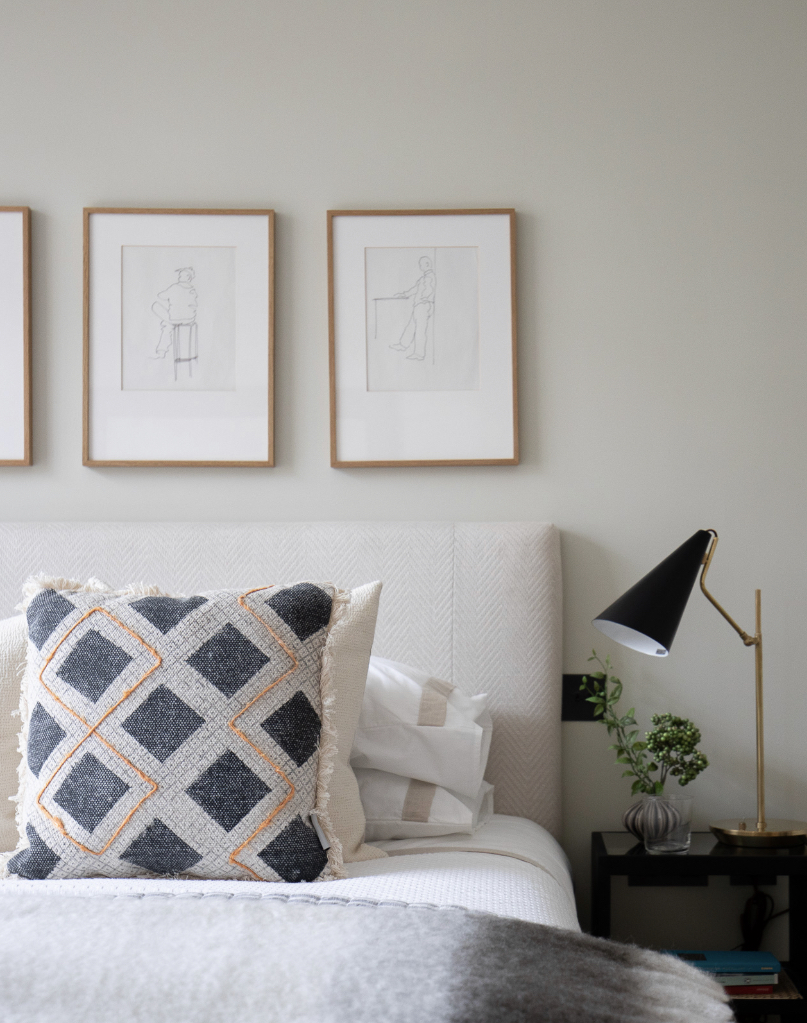
Start with the room, not the cushions
The best cushions never feel as though they were chosen on their own.
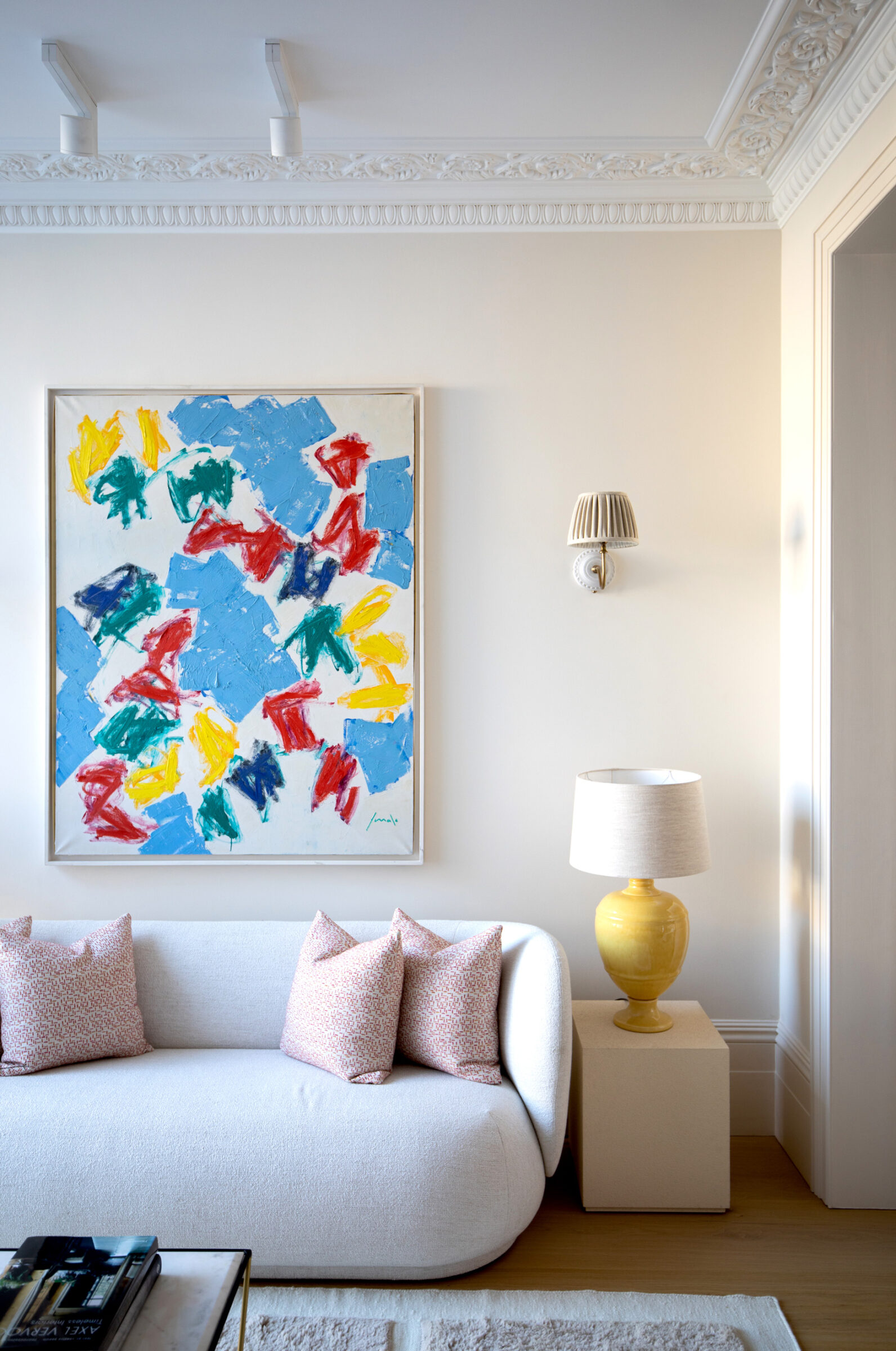
Before selecting colours or fabrics, take a step back and look at the room as a whole. What colours already exist? What textures are repeated? Is the space calm and neutral or rich and dramatic? Your cushions should feel connected to everything around them. Sometimes they echo the colour of an artwork. Sometimes they pick up the warmth of timber flooring or the softness of linen curtains. Sometimes they simply introduce another layer of texture. The goal is harmony, not perfect matching.
Mix sizes to create depth
A room should feel illuminated, not interrogated. Table lamps, floor lamps, wall lights, picture lights, candles—each contributes something different. Layering allows you to control the mood and shift it throughout the day. Morning light serves one purpose. Evening light serves another. The best rooms understand this and adapt accordingly. A single bright bulb floods a space. Several softer sources give it depth.
Let pattern play with plain
One patterned cushion can often achieve more than five plain ones. Pattern introduces movement and personality, but it works best when balanced with quieter fabrics. A bold stripe beside a textured linen. A subtle floral paired with soft velvet. A geometric print sitting alongside a woven neutral.
The secret is contrast. If every cushion competes for attention, the room feels busy. If none of them does, the room risks feeling flat. The most successful combinations allow each fabric to complement the others rather than compete with them.
Think texture as much as colour
People notice texture long before they realise they are noticing it.
Bouclé, velvet, linen, wool, cotton, embroidery, fringe—they all reflect light differently and bring their own character to a room. Even when every cushion is the same colour, varying the fabrics creates richness and depth. Texture makes neutral rooms feel luxurious. It is often what separates a beautifully designed interior from one that simply looks nicely decorated.
Style each room differently
Not every room asks for the same approach.
Living rooms benefit from generous, layered arrangements that invite people to sit down and stay awhile. Bedrooms often feel more luxurious with larger cushions placed behind the sleeping pillows, followed by a smaller decorative cushion or lumbar cushion to complete the composition. An occasional chair may need only one perfectly chosen cushion to soften its silhouette. A hallway bench becomes instantly more welcoming with a pair of cushions adding comfort and colour. Even dining banquettes can benefit from carefully selected cushions that make long lunches feel even more inviting.
Every room deserves softness. The way you introduce it simply changes.
Resist the temptation to overfill
There comes a point where cushions stop adding comfort and start getting in the way. Beautiful styling should never make furniture difficult to use.
A sofa covered entirely in cushions leaves nowhere to sit. A bed buried beneath decorative pillows feels more like a showroom than a bedroom. The best interiors leave room for people.
Choose enough cushions to add warmth and interest, but never so many that they become an obstacle. Comfort should always come first.
Treat cushions as the room’s jewellery
Fashion has accessories. Interiors have cushions.
They are often the final layer that brings everything together. They can introduce a seasonal colour without repainting a wall. Add richness to a simple sofa. Connect furniture that previously felt unrelated. Refresh a room in an afternoon without changing anything permanent.
For house staging, they are one of the hardest-working styling tools we own. A beautifully dressed sofa feels more inviting. A carefully layered bed feels more luxurious. A quiet reading chair suddenly becomes somewhere buyers imagine spending Sunday mornings with a coffee and a book. That emotional connection matters, because people rarely remember the exact shade of paint, they remember how the room made them feel.
Scatter cushions may be small, but their contribution is anything but. They soften the architecture. They balance colour. They introduce texture. They make rooms feel lived in without looking lived in. Most importantly, they help transform furniture into somewhere people can imagine themselves sitting, relaxing and staying a little longer.
And sometimes, that is all it takes to make a house feel like home.