The Corner Chair – In Defence of Carrie Bradshaw’s Chair
NOTES BY
Gregory Duke-Ambridge
TOPIC
You should always have a chair that doesn’t play by the rules.
It sits quietly in the corner, unconcerned with the rest of the room and entirely uninterested in matching anything at all. It is not part of a set. It was never meant to be. This is the chair you chose on instinct rather than logic. The one that slipped into your home because it felt right, not because it behaved.
This is the cool chair in the corner: half chair, half small act of rebellion.
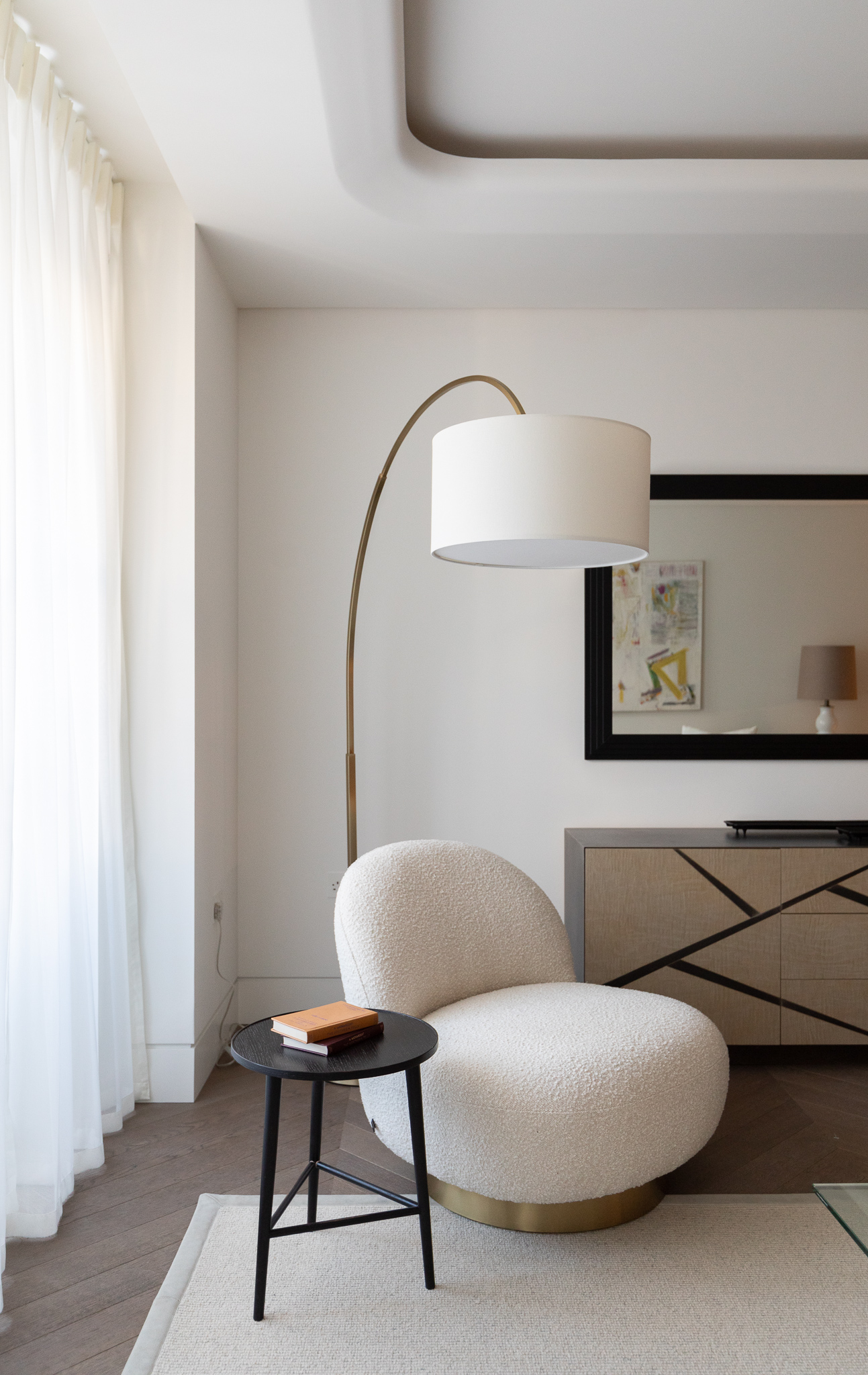
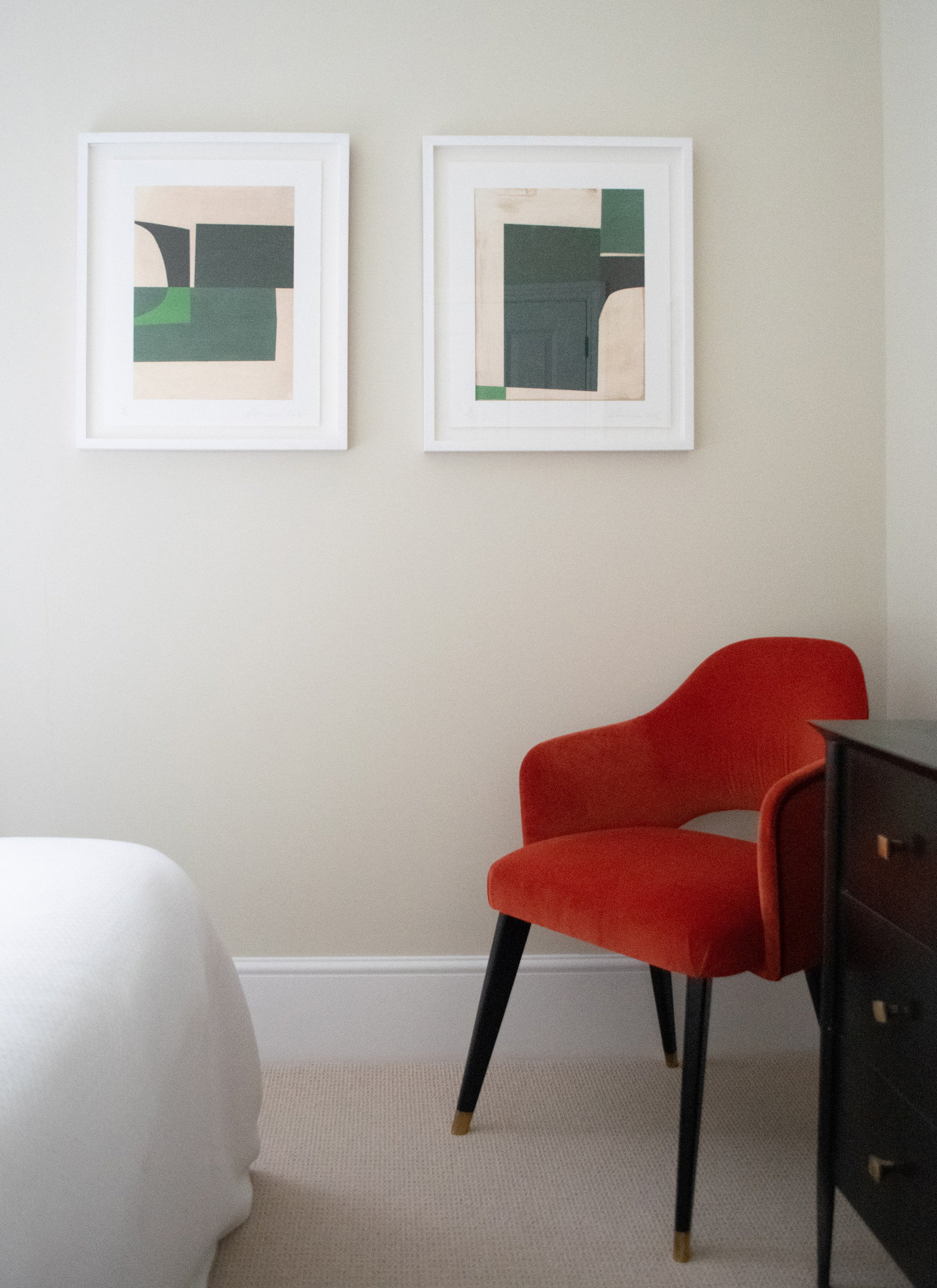
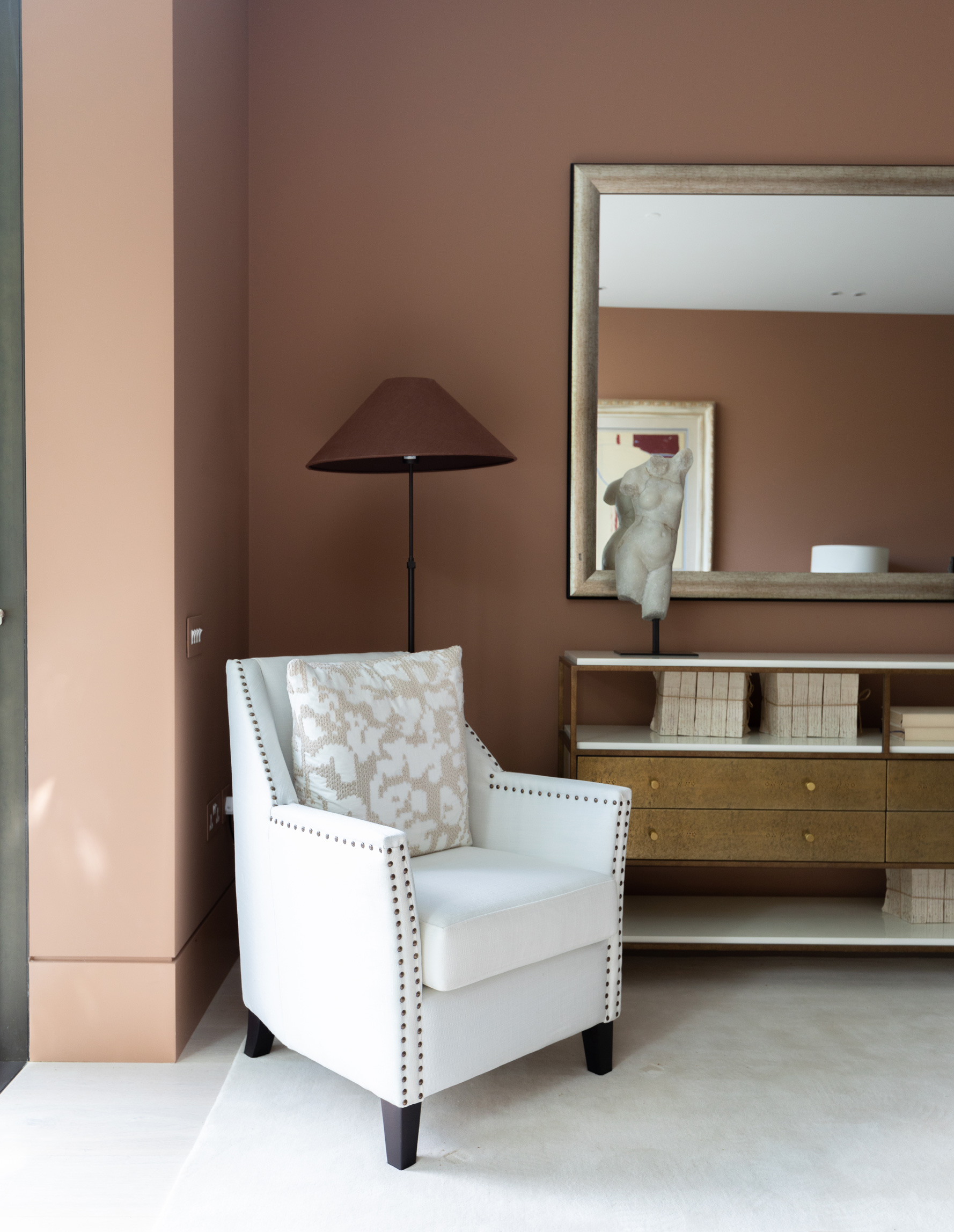
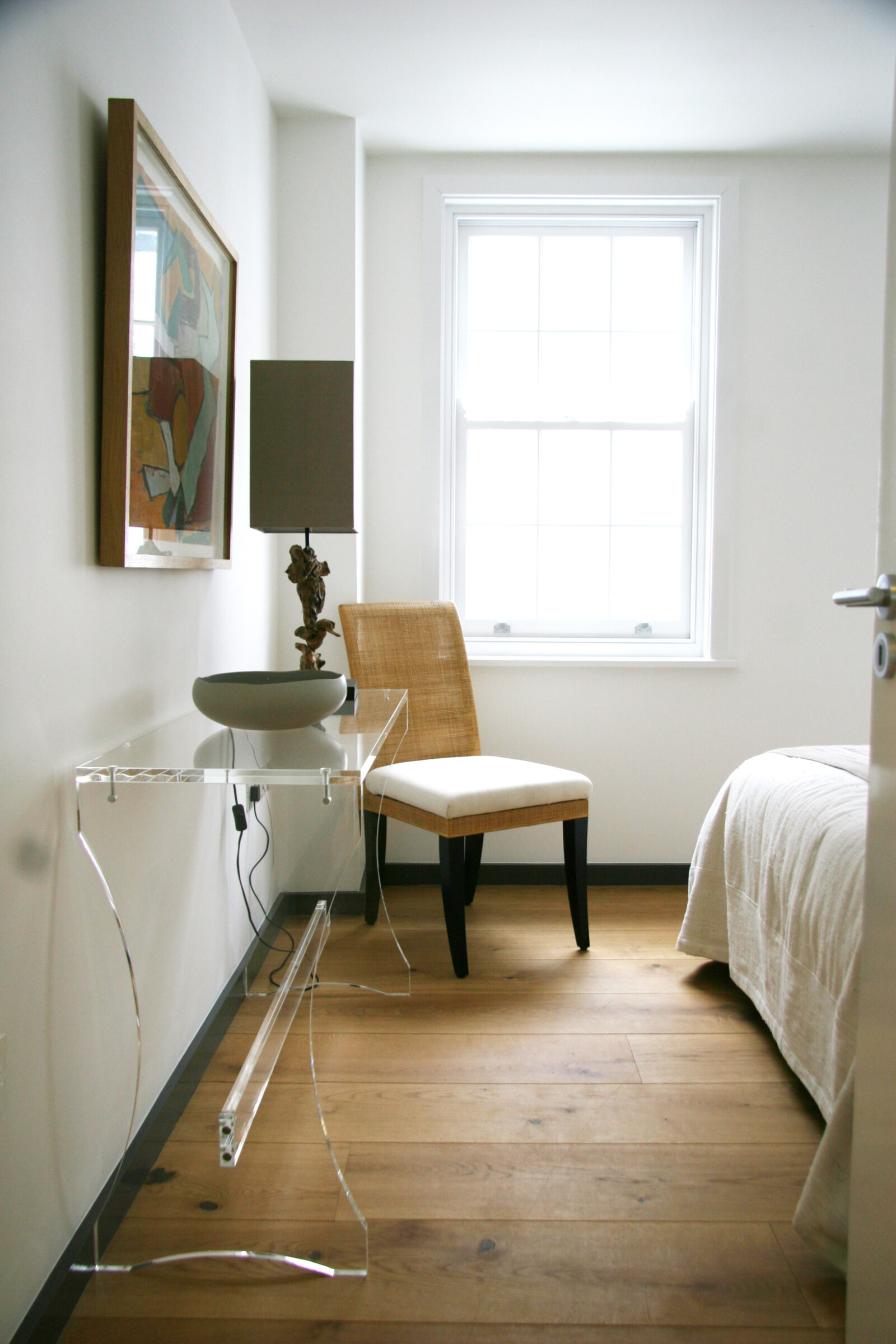
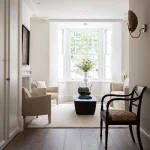
It doesn’t match your other chairs and thank goodness for that. Matching is the enemy here. This chair has lived another life – possibly several. It might be vintage, or at least convincingly so. Its wood is a little warmer, its lines a little stranger. It looks as though it was found, not bought. You probably stumbled upon it some sunny brocante in La Dordogne, stole it from your grandmother’s house, or bought from a vintage website in a moment of instinct, without quite knowing why.
Functionally, it’s gloriously ambiguous. Yes, you can sit on it, but you rarely do. More often it becomes an occasional table in disguise. A lamp perches on one corner. A stack of books slouches across the seat, dog-eared and unapologetic. A scarf, a watch, tomorrow’s outfit, tonight’s glass of water. It’s furniture that understands real life, not showroom life.
Culturally, it has impeccable credentials. Carrie Bradshaw had one beside her bed—holding her phone, of course, because some habits transcend decades. The chair was never the point; what it held was. The chair is there to support the rituals of your life, not to announce itself loudly (though it wouldn’t mind being noticed).
Interior designers will tell you this piece brings “character.” What we mean is: it makes the room feel human. It softens perfection. It suggests someone lives here who reads, thinks, changes their mind. Someone who values atmosphere over symmetry. Every great room has one. In the bedroom, it’s the confidant. In the living room, the wildcard. In the hallway, the pause. It occupies corners the way good ideas do—quietly, but with intent.
So keep the chair that doesn’t belong. Let it clash gently. Let it collect the beautiful mess of your days. Because while other furniture plays a role, this one tells a story. And the best interiors, like the best people, are always a little mismatched.