Decoroom’s Secrets: How We Make Each Space Shine
NOTES BY
Gregory Duke-Ambridge
TOPIC
At Decoroom, we’re often asked what makes a property feel different once it’s been professionally staged. People notice the larger rooms. The brighter spaces. The sense of calm. The way everything seems to sit exactly where it belongs.
What they don’t always notice is that staging isn’t really just about furniture. It’s about attention. It’s about understanding how people experience a space and gently guiding what they see, feel and remember. The best staging is almost invisible. It feels effortless because every decision has already been made.
Over the years, we’ve developed a set of principles that we return to again and again. They work in apartments and family homes, period properties and new builds. They are the quiet secrets that help every room shine.
We start with a blank canvas
Most of the properties we stage are completely empty. And we love this because it allows us to start with a blank canvas.
Before a single piece of furniture arrives, we spend time understanding the space itself. We look at the architecture, the natural light, the proportions and the way people will move through each room. An empty property can often feel cold, smaller than it really is and difficult to interpret. Buyers struggle to judge scale or imagine how they would live there.
Our job is to reveal the home’s potential, not overwhelm it.Every piece we introduce has a purpose. We choose furniture that enhances the flow, highlights the best features and helps each room feel balanced and inviting. The best staging doesn’t fill a space, it helps people see it.
We give every room a clear purpose
One of the first questions we ask is simple: What is this room for? Rooms that try to be too many things at once rarely perform well. A guest room that doubles as storage and a makeshift office often feels smaller than it is or becomes cluttered very quickly.
When we stage a property, every room has a job to do. Every corner has a purpose. People connect with spaces they understand immediately. Clarity creates confidence.
We think about the first impression
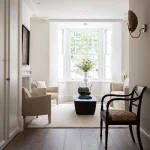
Long before someone notices the details, they experience the view. The moment they step into a room, their eye searches for somewhere to land. We pay close attention to these sight lines. A beautiful piece of artwork. A carefully dressed bed. A striking arrangement on a console table. The first thing people see often shapes how they feel about the entire space. That’s why we make it count.
We leave room for the eye to rest
One of the biggest mistakes we see is the urge to fill every surface. A shelf doesn’t need twenty objects. A coffee table doesn’t need constant decoration. Some of the most elegant interiors contain surprisingly little.
We use styling selectively because empty space has value. It creates balance. It gives important pieces room to breathe. Luxury rarely feels crowded.
We work with natural light
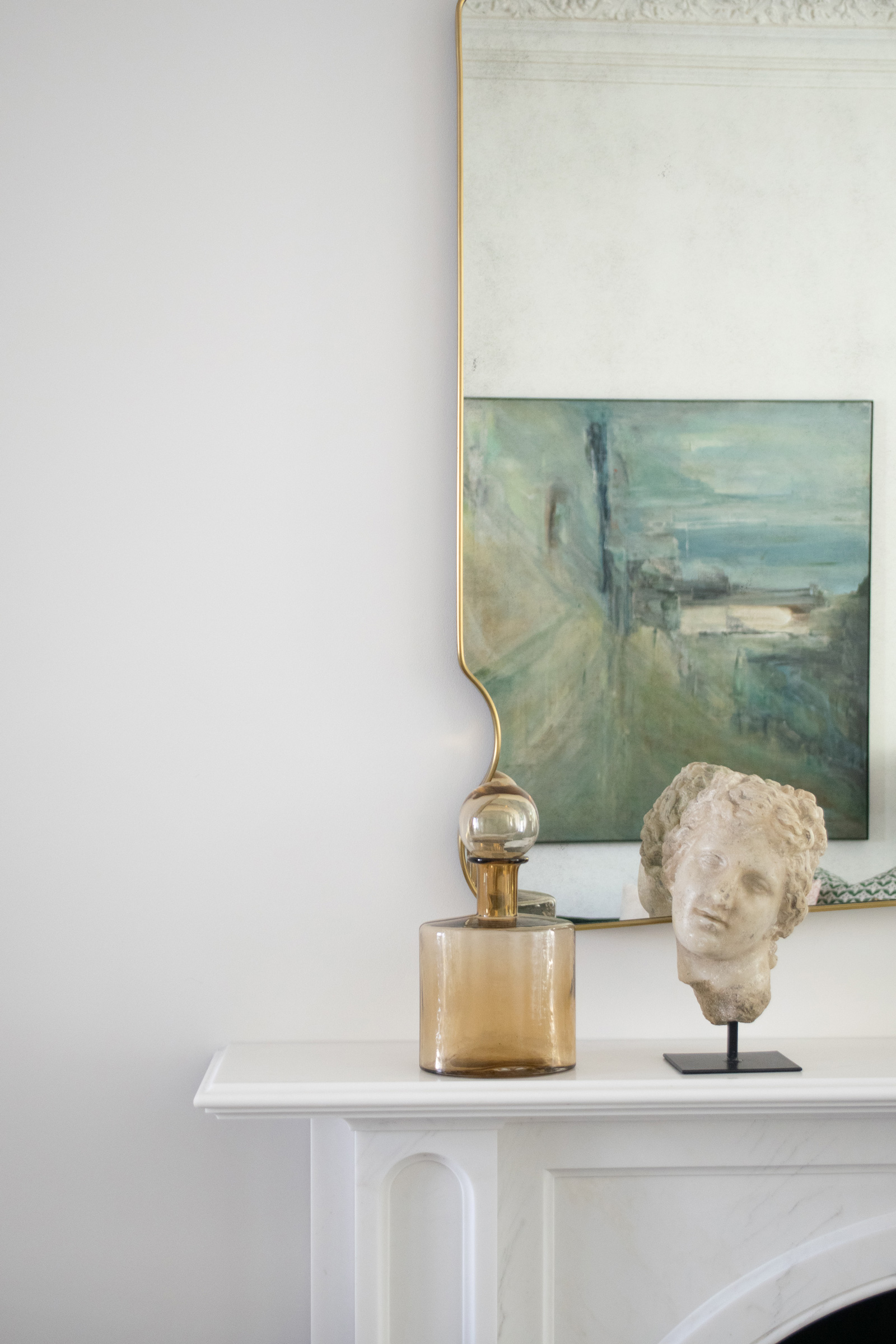
Every property has its own relationship with light. Part of our job is understanding how that light moves throughout the day and helping it travel further. Sometimes that means repositioning furniture. Sometimes it means introducing mirrors. Sometimes it simply means removing something that is blocking a window.
We don’t try to fight the light. We help it do what it already wants to do. And the difference can be transformative.
We create moments
The most successful staged homes never feel staged. They feel lived in. A book left open on a side table. Fresh flowers in a hallway. A tray prepared for morning coffee.
These details matter because they help people imagine themselves in the space. We are not creating displays. We are creating possibilities.
We introduce different heights
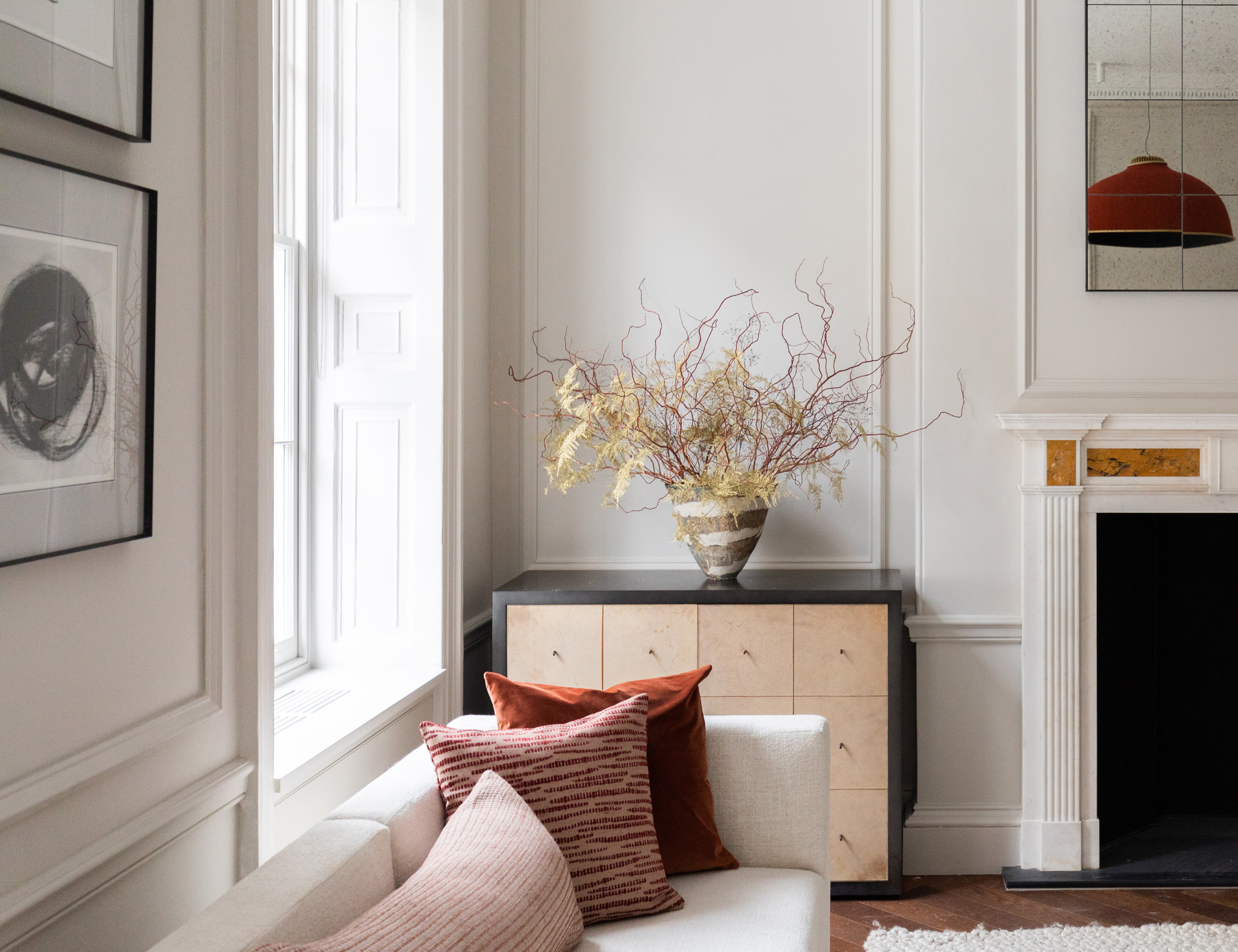
A room becomes more interesting when the eye has somewhere to travel. That’s why we pay close attention to scale and height. A tall lamp beside a sofa. Branches reaching upwards from a vase. Artwork positioned to draw the gaze higher. These layers create rhythm. Without them, even beautiful rooms can feel flat.
We style in groups, not singles
Objects rarely work in isolation. We often arrange accessories in small collections rather than scattering them individually around a room.
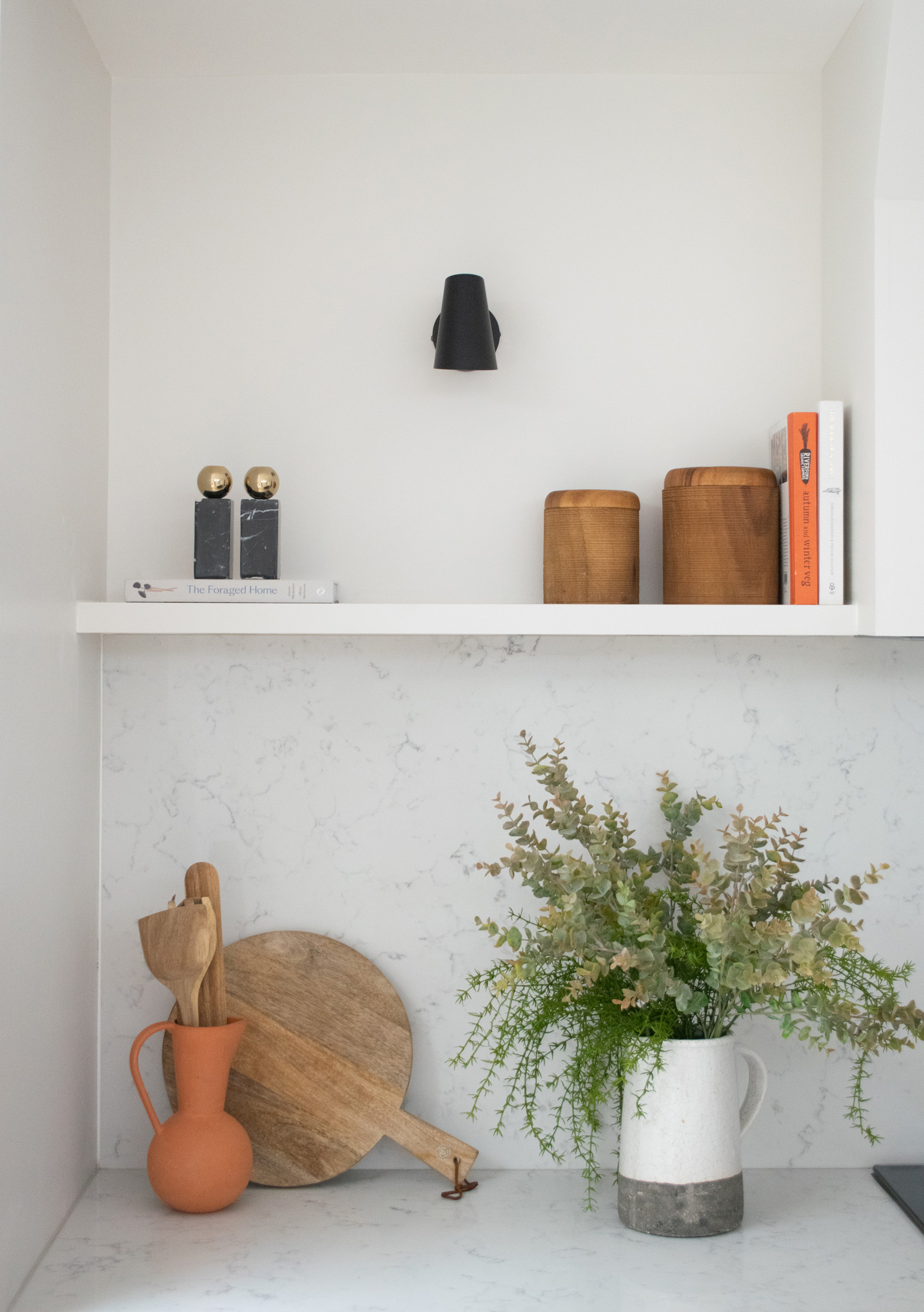
A stack of books paired with a sculptural object. A trio of ceramics. A candle alongside a small arrangement of greenery. These groupings feel intentional. The room begins to feel curated rather than decorated.
We define spaces within spaces
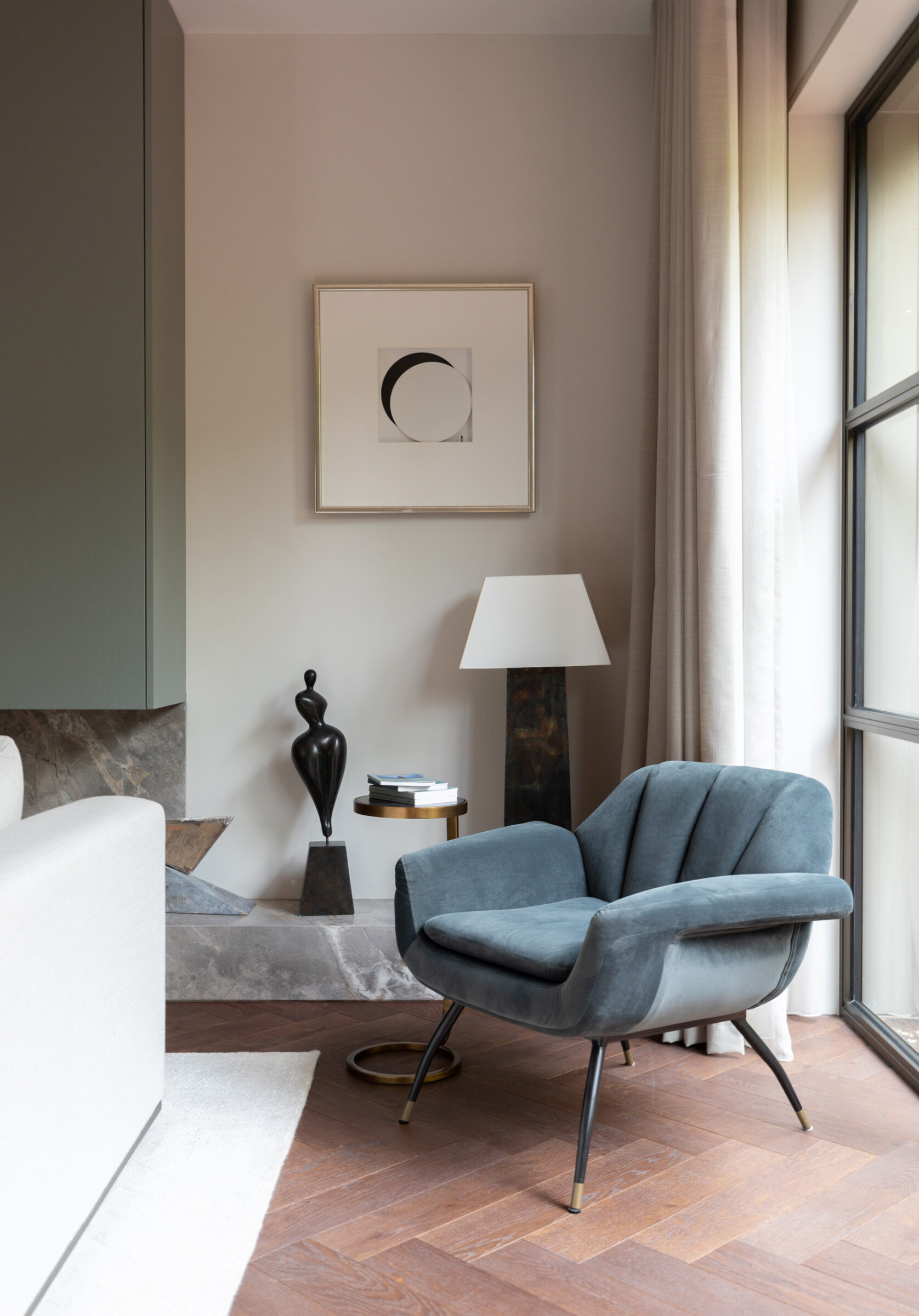
Not every area needs to be large to be meaningful. A reading chair beside a lamp creates a destination. A small desk establishes a workspace. A dining table defines a place to gather.
We often make homes feel larger by giving different areas clear identities.Purpose creates value. Undefined space rarely does.
We always include an element of surprise
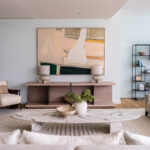
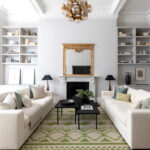
Every memorable room contains something unexpected. A home can be beautifully furnished, perfectly balanced and impeccably styled, but without a little tension, it risks being forgotten. That’s why we almost always introduce an element of surprise. It might be an oversized painting that feels slightly too large for the wall. A sculptural armchair with an unexpected silhouette. A vintage piece in a contemporary setting. A rug with bold colour and personality in an otherwise restrained room. These moments matter because they interrupt expectation.
They catch the eye. They spark curiosity. They create conversation.
In design, contrast is often what makes something beautiful. When everything matches perfectly, the room can feel predictable. When one unexpected element enters the story, the entire space becomes more dynamic. We often think of these pieces as the room’s signature. The detail guests remember days later. The thing they mention when they get home. “Did you see that chair?” “I loved that artwork.” “That rug was incredible.” The surprise doesn’t need to be loud. It simply needs to be distinctive. Because the most successful interiors don’t just look good, they leave an impression.
We focus on feeling above everything else
This is the secret that sits underneath all the others. When someone walks through a beautifully staged home, they are not analysing furniture placement or cushion arrangements. They are responding to emotion. They are imagining slow mornings in the kitchen. Friends gathered around the dining table. Quiet evenings in the living room.
At Decoroom, we believe people don’t fall in love with rooms. They fall in love with how those rooms make them feel. Everything else—the furniture, the styling, the accessories—is simply there to support that feeling. And when we get that right, every space shines.